The Journey Matters More Than Reaching the Mountain Top #shorts
A speaker on the show compares flying a helicopter to a summit with climbing there on foot. The clip asks what is lost when you skip the steps that lead to a result.
YouTube Shorts
YouTube Shorts from Skillion AI Labs with quick takes on practical AI, workflow design, and venture building.
Shorts

A speaker on the show compares flying a helicopter to a summit with climbing there on foot. The clip asks what is lost when you skip the steps that lead to a result.

Terence Milstead argues that management skills will be the most important thing to develop as people start using AI tools. He draws on a year-long AI adoption study he says he co-directed with OpenAI across government agencies.

Pete Cooper talks about the mental fatigue of working with AI tools and why it can be more draining than older ways of working. He suggests a daily limit to avoid burning out.

Aleksandr Tynianov, CTO at Krasty Soft, gives his view on what AI changes for development teams. He argues that one developer who uses AI well can replace a couple of people, but warns against throwing anything into an LLM and expecting it to work.

A speaker on the show compares finding a local business through search rankings with simply asking an AI chatbot. The example is a plumber needed this week for a leaking sink.

Therese Grittner explains why she worries that local businesses will be drowned out as large corporations spend heavily on AI advertising. She uses a search for the best cheeseburger nearby to show what is at stake.

SEO expert Therese Grittner explains why local businesses need websites built for AI-assisted search. She argues that sites should answer the problems of people in their service area, and that one-page scrolling sites tend to rank lower.

A speaker on the show argues that robots will not replace people's need for human interaction for a long time. The clip also looks at where solopreneurs without a team find that interaction.

A speaker responds to Elon Musk's picture of a future where robots do all the work. The clip explains why the speaker expects people's need for human interaction to hold for a long time yet.

Pete Cooper shares that the channel is closing in on 100,000 YouTube views and explains what the show sets out to do. He asks viewers to subscribe, comment and get in touch if they want to appear on the podcast.

Pete Cooper compares push prompting, where you hand AI a problem to fill in, with pull prompting, where you let it ask you questions. He explains why he thinks the second approach produces better answers.

Frank Gonzalez explains why a Stripe account, an LLC and a marketing channel are enough to start a business without investors. He describes how offering an unsolicited redesign won him his first graphic design client, who he says he still works with today.

Pete Cooper walks through a $650 billion figure he attributes to J.P. Morgan and compares it with what the biggest AI companies bring in. He explains why he sees the gap as a real risk for the industry.

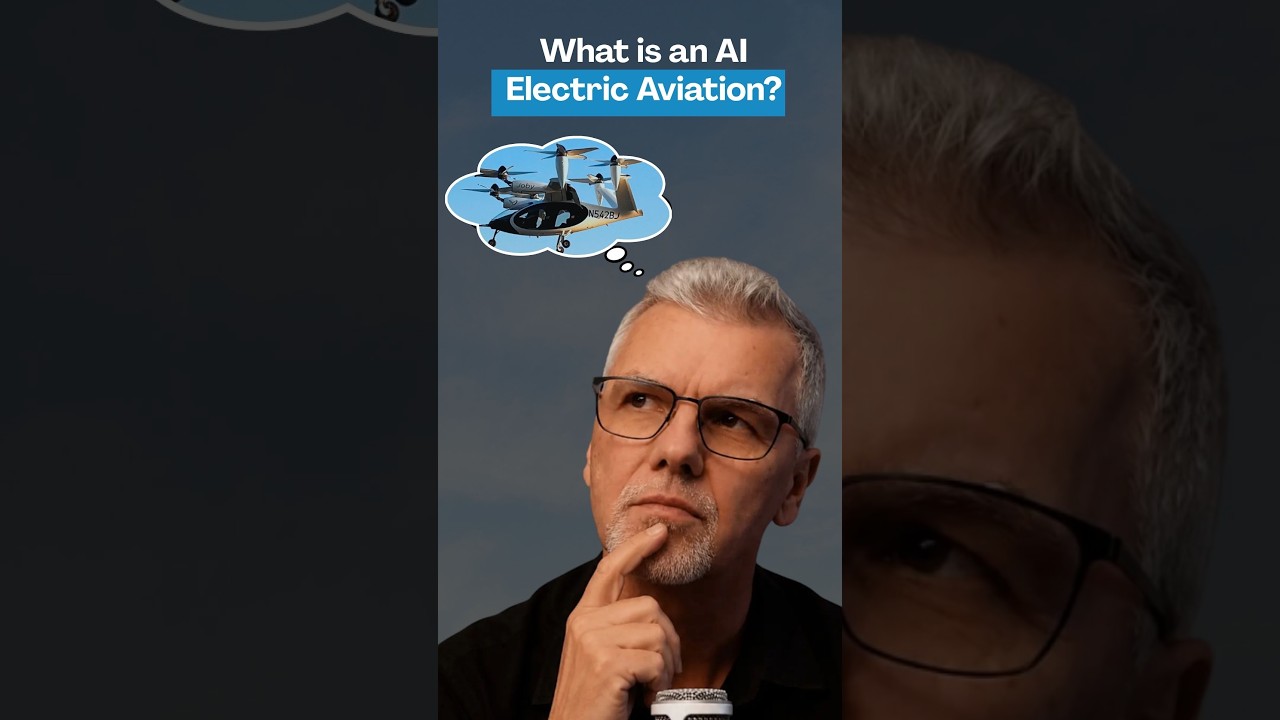
Pete Cooper explains why he thinks electric aviation has reached a turning point and where AI fits in. He also invites people working in the field to come on the podcast as guests.

Pete Cooper and a college student compare the monthly cost of a human tutor with paying for AI subscriptions. They put a tutor at around $500 a month against about $40 for both Claude Pro and ChatGPT.

A guest with no coding background describes how Claude Code and some basic Python let her build things she can sell. Pete Cooper adds his own story of building and deploying a Wheel of Fortune game in about five minutes.

A guest on the show describes simple AI workflows, from automated client follow-ups after a meeting to AI tools that check code. The clip covers how these save business owners time and money.

Pete Cooper runs through Anthropic's Fable 5.1 release and how he says it relates to the earlier Mythos model. He covers his claims about benchmarks, unattended running and lower running costs.

Pete Cooper names context as the one word that sums up the AI trend of the last few years. He explains what context means in practice and how different LLMs handle it.

This short makes the case for paramedics flying eVTOL aircraft to emergencies and landing close to the patient. It explains why the speaker thinks the aircraft are cheap and simple enough to make that work in the first critical minutes.

Pete Cooper explains the idea of an AI super app, one chat interface that ties many separate apps together. He sets out why he expects it to make computers easier to use for people at any skill level.

Pete Cooper explains why busy CEOs struggle to find time to learn AI and how Skillion's one-hour AI Level Up is meant to meet them at their level. He gives two examples of colleagues who he says found ways to save hours of work.

Pete Cooper walks through a one-hour session in which he says he helped a colleague save his company $10,000 a year. He explains the steps, from checking current AI ability to cutting a weekly reporting task down to minutes.

A short exchange on how AI changes the familiar inbox rules for forwarding and filtering. It explains why adding an AI agent on top of a fixed rule means the output can vary.